Operating in more than 50 countries
Introducing the UCG
The Unimog Club Gaggenau (UCG) is a community of over 9,000 members in approximately 50 countries. Recognized as a nonprofit organization, the club was founded in 1993 in the small German town of Gaggenau in southwestern Germany. More than 300,000 Unimogs were built there from 1951 to 2002. And the story continues: Today, two versions of the Unimog—a high-off-road vehicle and an equipment carrier—roll off the assembly line at Mercedes-Benz Special Trucks in Wörth am Rhein, the world’s largest truck manufacturing plant.
Originally founded as a regional association, the Unimog Club has since expanded beyond Germany to become a global presence and is now the largest of all officially recognized Mercedes-Benz brand clubs. The UCG’s more than 9,000 members are united by their enthusiasm for this unique vehicle concept, which has been around for over 80 years. Anyone with a passion for the MB-trac and Unimog can become a member: There are no restrictions to specific models, nor is ownership of a vehicle required.
The club’s responsibilities include the care and preservation of these historic vehicles, as well as their documentation and research. To this end, an extensive archive has been established to assist members in finding replacement parts and restoring their vehicles. The Unimog Museum—which the club helped establish a good 20 years ago and in which it remains involved to this day—also serves as a technical advisory center for MB-trac and Unimog vehicles manufactured through 2002. Club life is characterized by regular get-togethers during regional outings and regular meetups, appearances at events and trade shows, and a large annual gathering.
Club membership—currently just 45 euros a year—offers numerous benefits. A lavishly produced magazine, the “UNIMOG Heft’l,” is published quarterly in German and English and features articles, profiles, technical tips, and news from the world of MB-trac and Unimog. Historical information such as price lists, brochures, videos, and much more is available through the Unimog Information System—developed by the club and accessible only to members—on the UCG website. Members also have access to a central tool for searching for original replacement parts. Many service partners offer discounts, and members also enjoy unlimited free admission to the Unimog Museum in Gaggenau and the Mercedes-Benz Museum in Stuttgart. Another important benefit—one that money can’t buy—is that as a club member, you’re part of a global community that supports one another. And you’re helping to preserve the automotive heritage of MB-trac and Unimog.
The History of the Unimog Club Gaggenau
The Success Story of the Unimog Club Gaggenau e. V.
Today, the Unimog-Club Gaggenau e. V. is an association with over 9,000 members in 50 countries. Michael Wessel, honorary chairman of the Unimog-Club Gaggenau e. V. (UCG), tells the story: “The decisive factor in founding the club was certainly that, in 1992, at the annual meeting of the Unimog Veterans Club in Bad Laer, I bought a Unimog 2010, built in 1952, from Alfred Menke. I had actually gone there to present the first volume of my book of stories about the Unimog. When I got home, I spoke with other Unimog owners and learned that they had ‘always wanted to get together for a regulars’ table.’ I made that wish come true: Over two weekends, I spent several hours on the phone and, using a snowball effect—where everyone knew a few more Unimog owners—I collected about 100 addresses of Unimog owners within a 25-kilometer radius of Gaggenau. In March 1993, I invited them to Jahnplatz in Gaggenau—and 40 came with their Unimogs, while another 20 came without. An incredible turnout!
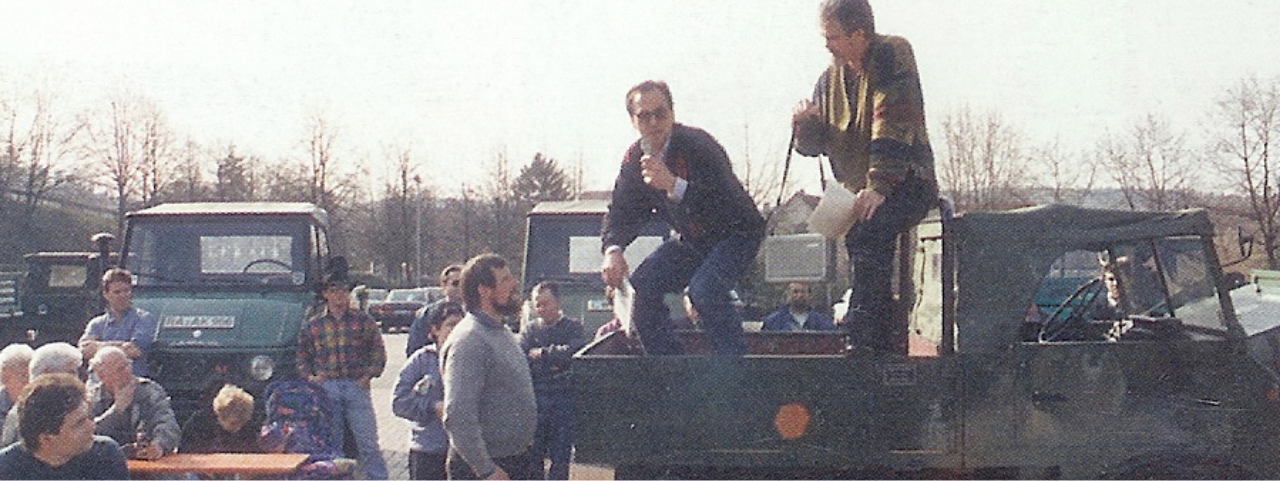
First meeting in March 1993 at Jahnplatz in Gaggenau:
Hans-Jürgen Wischhof explains to Gotthilf Roth (below) that only Unimog owners from the Rastatt district or the city of Baden-Baden can become members. On the right is Michael Wessel.
It quickly became clear to all of us Unimog enthusiasts present: We would found a regional Unimog club in Gaggenau. We chose to form a regional club because the Unimog Veterans Club already existed, and we certainly didn’t want to compete with it.
On May 15, 1993, the time had finally come: We met at Westermann-Holzbau in neighboring Kuppenheim to set the club in motion. This date is the official founding date. The focus was not to be on owning a Unimog, but rather on a passion for this vehicle. This passion can also be expressed through collecting Unimog models, stickers, promotional items, and literature, or through an interest in the history of this versatile vehicle. I was elected president.
Among the club’s founding members was Hans-Jürgen Wischhof, head of the Unimog division at what was then Daimler-Benz AG, who was himself the proud owner of a superbly restored Unimog 411 and an avid collector of Unimog models.
Wischhof welcomed the initiative to found the club, “because the Unimog is such an exciting vehicle that people enjoy spending time with it in their free time, even after work is done.” We gave him membership number 1.
Right: The first sticker from the Unimog Club Gaggenau, 1993
We at Gaggenau were fortunate to have many employees who have known the Unimog inside and out for decades—Manfred Florus, for example. After earning his degree in agricultural science in 1949, he began working as an assembly worker on the Unimog production line at Boehringer in Göppingen and spent his entire working life with Unimog—most recently as head of exports.
From the very beginning, he served as a vice president of the Unimog Club Gaggenau and was named an honorary member. He passed away on April 15, 2018.Our former board member and honorary member, Heinz Schnepf, worked exclusively for Unimog for over 40 years, starting with his apprenticeship. He traveled with Unimog to many European countries, as well as to Asia, America, and Africa. His last major adventure was the 1990 Paris-Beijing Rally in a 240 PS Unimog 1300 L. Over the course of four weeks, they had to cover 18,000 kilometers, sometimes under the most extreme conditions. After a long and serious illness, he sadly passed away far too soon on November 11, 2017. We miss Manfred Florus and Heinz Schnepf.
Roland Feix’s life, too, was largely shaped by the Unimog: A Unimog brochure from 1948 fascinated him so much that he began working as an assembly worker in the Unimog hall at Maschinenfabrik Boehringer in Göppingen as early as July 1949. He even helped assemble the 23rd Unimog! Over the course of 44 years, he presented the Unimog at countless trade shows and accompanied it on test drives and demonstrations in Argentina, Uruguay, Paraguay, Chile, and throughout Latin America as the regional representative for Latin America. In January 2018, he received the Citizen’s Award from the City of Gaggenau, in particular for his continued volunteer work on behalf of the Unimog.
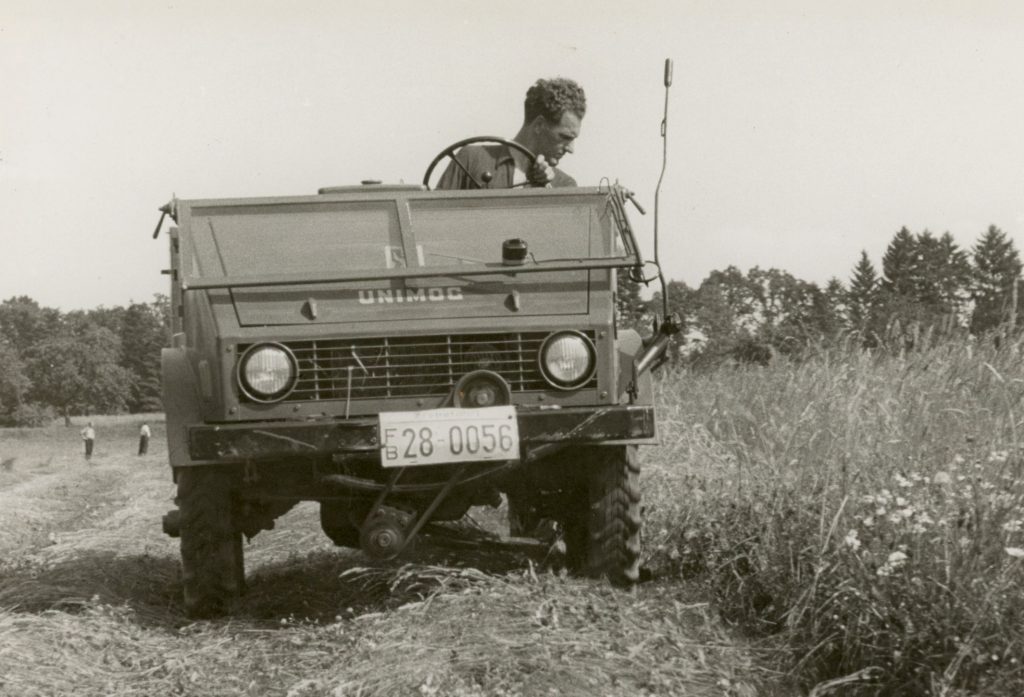
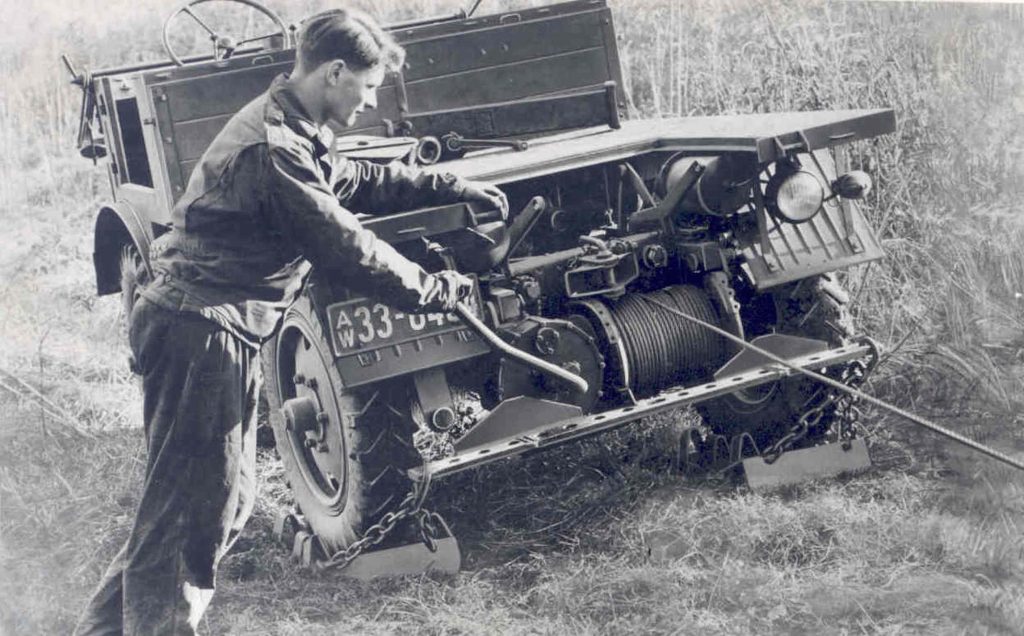
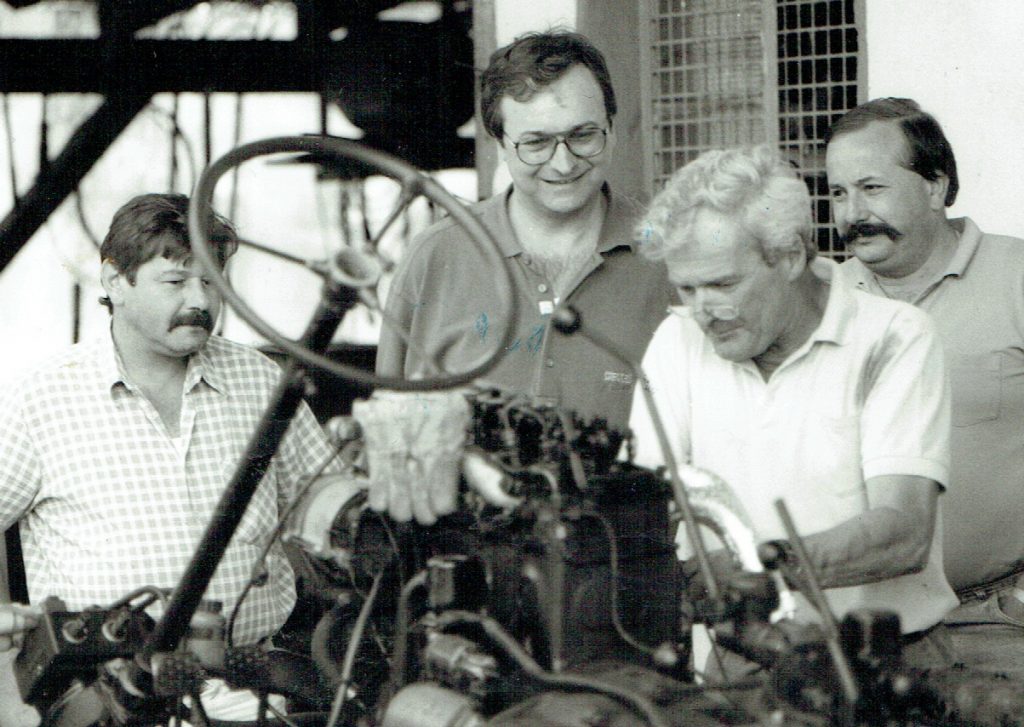
We were unable to maintain the regional boundaries originally intended for the Rastatt district and the Baden-Baden municipal district. After all, we did not want to exclude Unimog enthusiasts from more distant regions who wished to become members of our club.
Since its founding, the club has been able to offer its members many attractive opportunities. The program has included trips to Hohenheim, Mannheim, and eastern Switzerland, supplemented by operational demonstrations, model car collector gatherings, movie nights, factory tours, driver training sessions and trials, road trips, restoration courses, and mechanic meetups on specific topics.
The rapid growth in membership made it necessary to establish regional groups in Germany and neighboring countries as early as 1994.
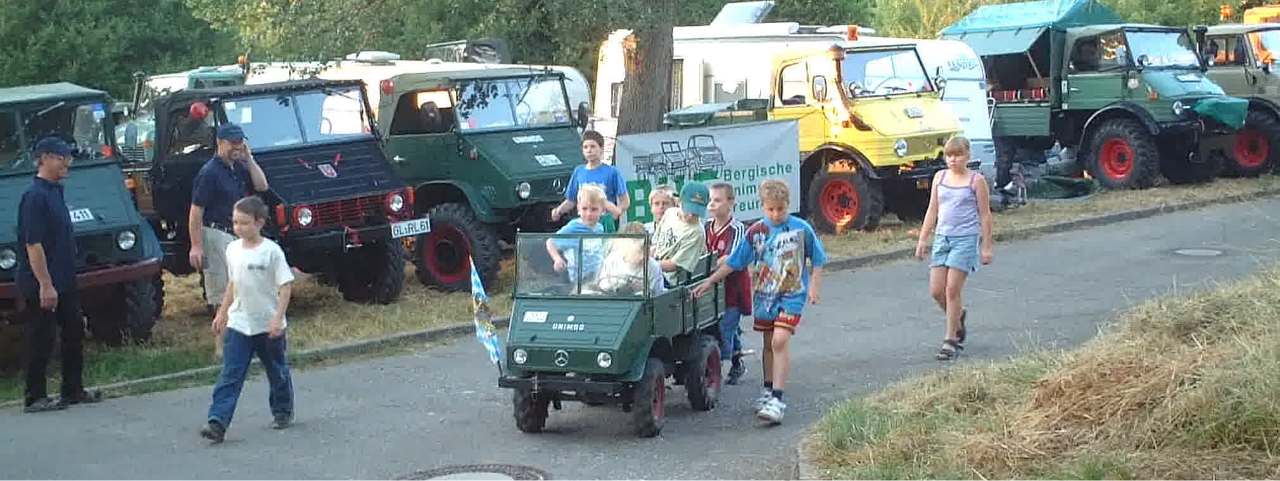
The first major event, however, was the big Unimog rally to Gaggenau in 1995, held to celebrate “100 Years of Automobile Manufacturing in Gaggenau” and “10 Years of the Unimog Veterans Club.”
From the very beginning, we maintained good personal relationships with the Unimog Veterans Club, and so we were happy to take on the organization of this major event locally. Many large annual gatherings followed—for example, at the off-road course in Aufenau near Bad Orb—including some in neighboring countries.
Left: Seen at the “10 Years of the Unimog Club Gaggenau” celebration: A love for the Unimog from a young age.
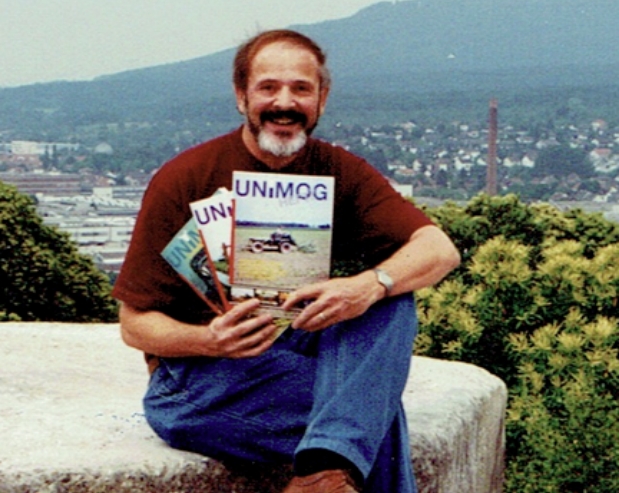
Our quarterly magazine, *Unimog-Heft’l*, plays a major role in many members’ decision to join the club. I was able to recruit Carl-Heinz Vogler for this role when the club was founded, and under his leadership, a total of 74 issues were published through June 2012. His goal was for each new issue to be slightly better than the one before it. In this way, our member magazine became a model for the community. As a special token of appreciation, his fellow members designed a personalized special edition for him in connection with his appointment as an honorary member. However, Carl-Heinz Vogler’s contributions to the Unimog Club repeatedly extended beyond the magazine. We owe him numerous initiatives—such as the 2003 Bertha Benz Tour with Unimogs.
In the years that followed, Michael Endres took the lead on the *Heft’l*, and I did so for one year. Now Axel Otersen is in charge. You can find the success story of our club magazine, *Unimog-Heft’l*, under the tab of the same name on this website.
Right: Carl-Heinz Vogler, 2007
In 1997, the group was officially recognized as a “registered association” (e. V.), and in the same year, the Lower Bavarian Unimog and MB-trac Enthusiasts joined the Unimog Club Gaggenau. As early as 1998, in my commemorative speech marking our fifth anniversary in Steinmauern, I brought up the idea of a Unimog museum. We found an active supporter in Hans-Jürgen Wischhof, who was then head of the Unimog product division. At the time, however, we were thinking of a small “weekend museum.”
In 1999, the UCG was accepted by Mercedes-Benz Classic into the circle of officially recognized Mercedes-Benz brand clubs. This was in recognition of the club’s many years of successful work. Since 1999, we have been collaborating with the largest Unimog internet portal, www.unimog-community.de.
In 2001, Gaggenau celebrated “50 Years of Mercedes-Benz Unimog” with the support of the UCG. More than 500 Unimog owners drove their vehicles back to the place where they were first built. On this occasion, the people of Gaggenau had to accept, with a heavy heart, that the Unimog division would be relocated to the neighboring Mercedes-Benz plant in Wörth starting in 2002. But it turned out to be the right decision.
Once it was decided that the Unimog division would be relocated from Gaggenau to neighboring Wörth, Stefan Schwaab urged us regarding the planned museum: “It’s now or never! You have to strike while the iron is hot!” A working group was formed, consisting of UCG board members Manfred Florus, Hans-Jürgen Schöpfer, and Edwin Westermann. The group evaluated several potential locations and, at that time, favored expanding the existing former Unimog training facility. The relocation of Unimog production spurred the board members on, so that the “Unimog Museum” project was subsequently pushed forward with even greater energy.
On November 5, 2002, an independent, nonprofit association called the Unimog Museum was founded, and UCG board member Hans-Jürgen Schöpfer was elected as the first president, Dieter Sellnau as vice president, and Jürgen Hirth as treasurer. The Unimog Museum was officially opened on June 3, 2006 (for more on the development of the Unimog Museum, visit www.unimog-museum.de). A highlight was the Rastatt Tax Office’s recognition of the UCG as a “nonprofit association” on June 7, 2005.
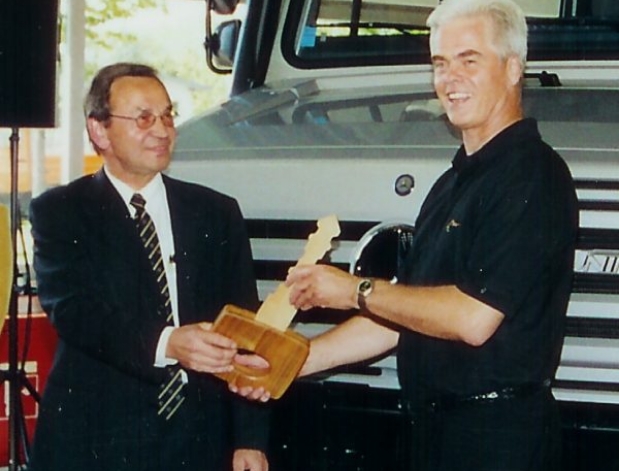
Right: When Unimog assembly was relocated from Gaggenau to the Wörth plant, the head of the Unimog product division, Hans-Jürgen Wischhof, presented one of the last Unimogs assembled in Gaggenau to the Unimog Club Gaggenau as a token of appreciation for our special commitment to this wonderful vehicle.
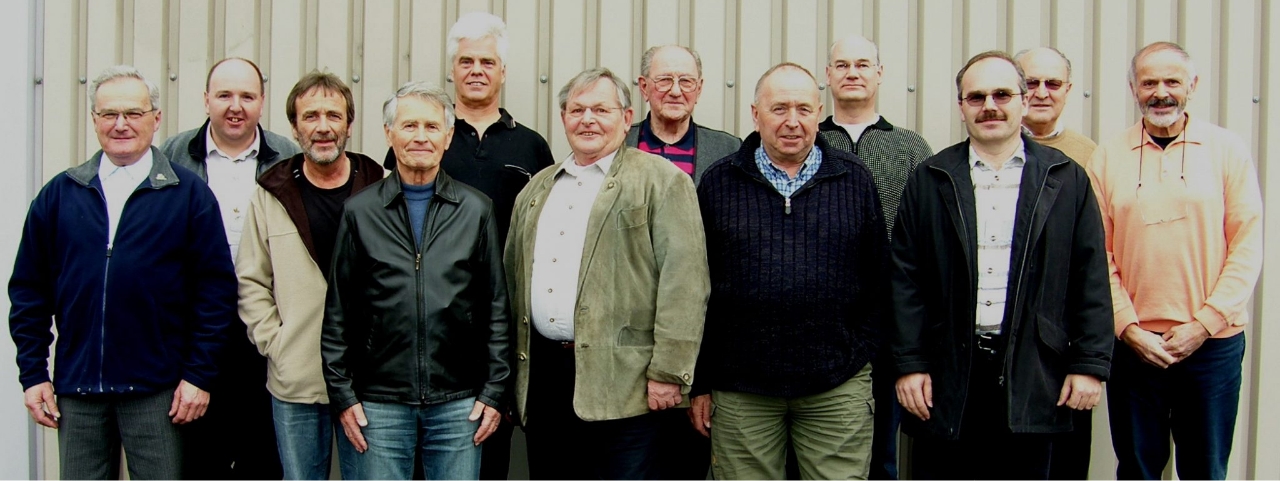
Left: The expanded executive board in 2007, from left: Heinz Schnepf, Udo Bühler, Hans-Karl Westermann, Roland Feix, Michael Wessel, Edwin Westermann, Manfred Florus, Werner Bühler, Peter Rebsdat, Michael Schnepf, Hans-Jürgen Schöpfer, and Carl-Heinz Vogler.
Due to the steadily growing membership, an administrative office was established in 2008 to improve services for members and reduce the workload on the board.
From the club’s founding in May 1993 until November 2008, I served as president, steering the UCG’s course. It was now time to bring in younger members to the board. At the 2008 general meeting, Michael Schnepf (secretary since the club’s founding) was elected as my successor. Peter Rebsdat remained vice chair, and Hans-Jürgen Schöpfer was newly appointed to the position. My fellow board members from the very beginning—Roland Feix, Heinz Schnepf, and Manfred Florus—were named UCG honorary members, and I was awarded the title of Honorary Chairman.
The club continued to grow under the new leadership as well. For example, as of April 2009, we had a total of 27 regional groups in Germany (including, since 1995, the independent association “Unimog and MB-trac Friends of Lower Bavaria”) and in neighboring countries (including, also since 1995, the legally independent Unimog Club Switzerland/Liechtenstein). In addition, we had contacts in five other countries. The number of participants at the annual meetings also rose steadily, requiring a significant and exemplary level of staff effort.
In 2010, thanks to a member survey, we received many suggestions for the future direction of our club. Our collaboration with the Unimog division at the Mercedes-Benz plant in Wörth was further strengthened, and so in 2011, the Unimog Club Gaggenau organized, as part of the celebration “60 Years of Mercedes-Benz Unimog,” which included a rally featuring 60 selected Unimogs from the Gaggenau plant to the Wörth plant.
In 2013, Edwin Westermann—after 20 years on the board and as one of the founding members—and Hans-Jürgen Schöpfer—after 15 years on the board—were named honorary members upon their departure from office. As “Minister of Economic Affairs,” Edwin Westermann organized many events, including the annual parts market, which has enjoyed growing popularity. Hans-Jürgen Schöpfer served on the extended board for many years and, since 2008, as vice chairman, focusing on providing advice on legal and organizational matters. He has rendered outstanding service behind the scenes by dedicating countless hours to building up the club’s archives. Within the club community, he is also regarded as an expert on Unimog models.
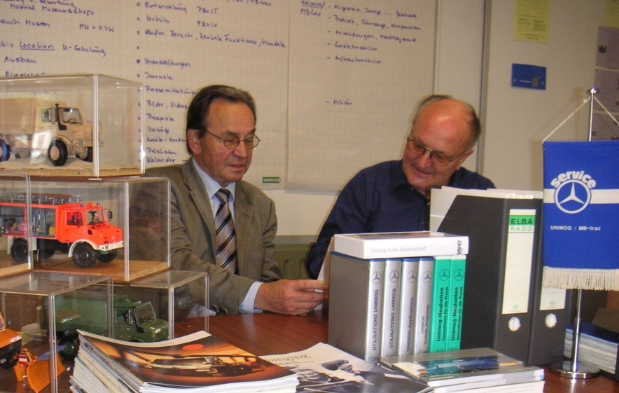
Right: Hans-Jürgen Schöpfer (right) has devoted countless hours to building up the club’s archive. Hans-Jürgen Wischhof is currently setting up the Unimog Museum’s archive. Claudio Lazzarini manages the Unimog Club’s archive.
Also in 2013, Hans-Jürgen Wischhof, the former head of the Unimog product division, was named an honorary member for his contributions to the Unimog Club Gaggenau.
On May 5, 2014, the UCG logo was registered as a word and design mark by the German Patent and Trademark Office.
At the 2016 general meeting, Hans-Karl Westermann, the club’s “treasurer from the very beginning,” was honored and named an honorary member. For the first time in the club’s history, a genuine election was held, as René Dusseldorp ran alongside Michael Schnepf for the position of president. A member challenged several decisions made by the board. In response, Michael Schnepf announced that he would resign as club president. As a result, the complainant withdrew the remaining points of the complaint.
Consequently, the other members of the Executive Board and most of the at-large members resigned at an extraordinary general meeting convened for that purpose in October 2017. As a result, a new board was elected: Rainer Hildebrandt, 1st Chair; René Dusseldorp, 2nd Vice Chair; Hans-Joachim Meyer, 2nd Vice Chair; Claudio Lazzarini, Treasurer and Membership Administrator; and Johannes Behringer, Secretary.
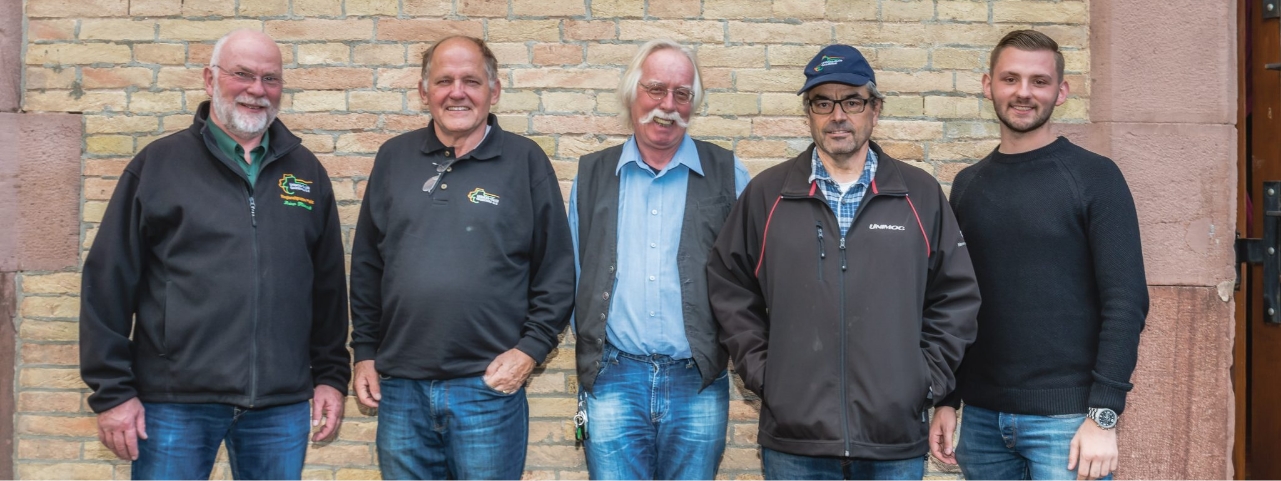
Left: The club’s executive board after the 2017 general meeting, from left: Rainer Hildebrandt, René Dusseldorp, Hans-Joachim Meyer, Claudio Lazzarini, and Johannes Behringer.
Unforgettable highlights celebrating the 25th anniversary of the Unimog-Club Gaggenau e. V. included the ceremony at the Unimog Museum on May 18, 2018, and the grand anniversary celebration held from June 15 to 17 June, the grand anniversary celebration took place along the festival route stretching from the Bad Rotenfels spa park to the museum. On this occasion, I was awarded the “Mercedes-Benz Silverstar” for my dedication to the Unimog.
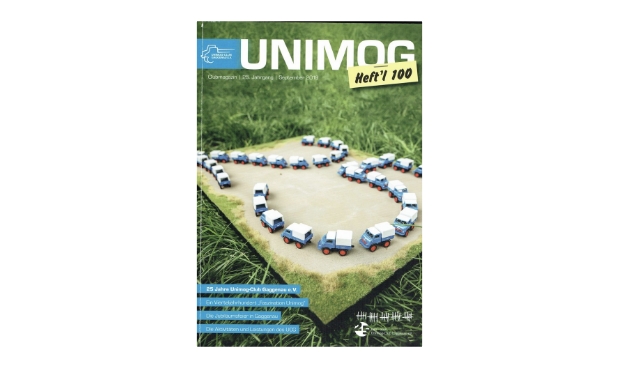
The club’s activities over the past 25 years were presented in detail in UNIMOG Heft’l 100 by honorary member Hans-Jürgen Wischhof. It’s a simple calculation: 25 years times four issues = 100 issues
At the 2018 general meeting, Angelika Grieb-Ehrhardt was elected to the board as Joachim Mayer’s successor—the first woman to hold this position. Prior to this, she had served on the board as deputy to the regional representatives.
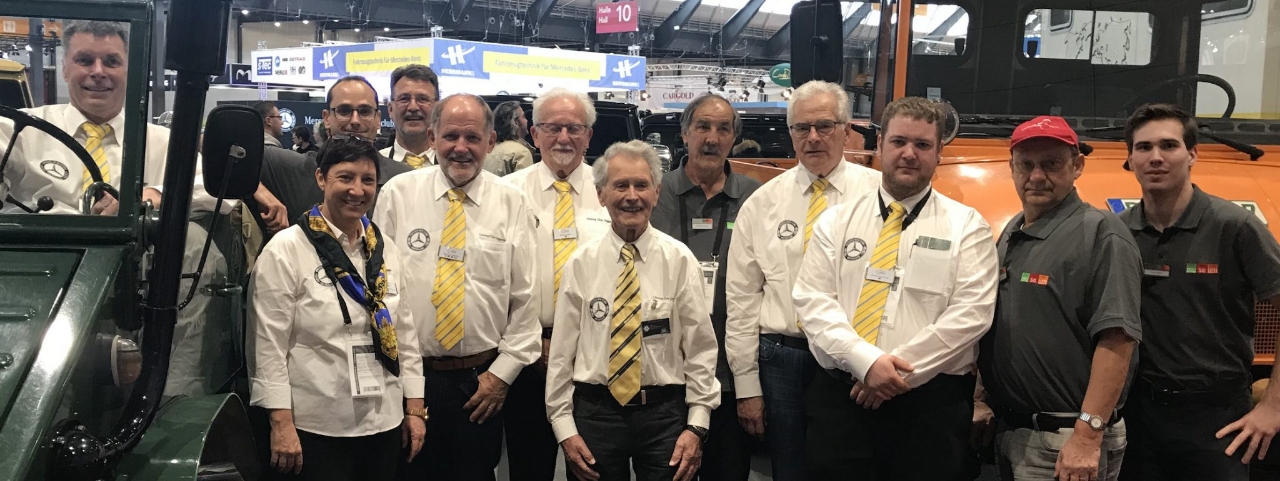
Right: For Angelika Grieb-Erhardt, it’s not unusual to be the only woman among Unimog enthusiasts. Here at Retro Classic 2019, where—as always—everyone listened to her.
Most recently, on September 4 and 5, 2021, the Unimog division at the Wörth plant and the Unimog Museum held a grand celebration of “75 Years of Unimog.” The Unimog Club Gaggenau organized a parade from the Unimog plant in Wörth to the Unimog Museum in Gaggenau, featuring 75 vehicles of all models. Leading the parade was Unimog prototype number 5, owned by the German Agricultural Museum in Hohenheim. Media interest was overwhelming, and together with the Unimog Museum, we were able to fly the flag for the Unimog.
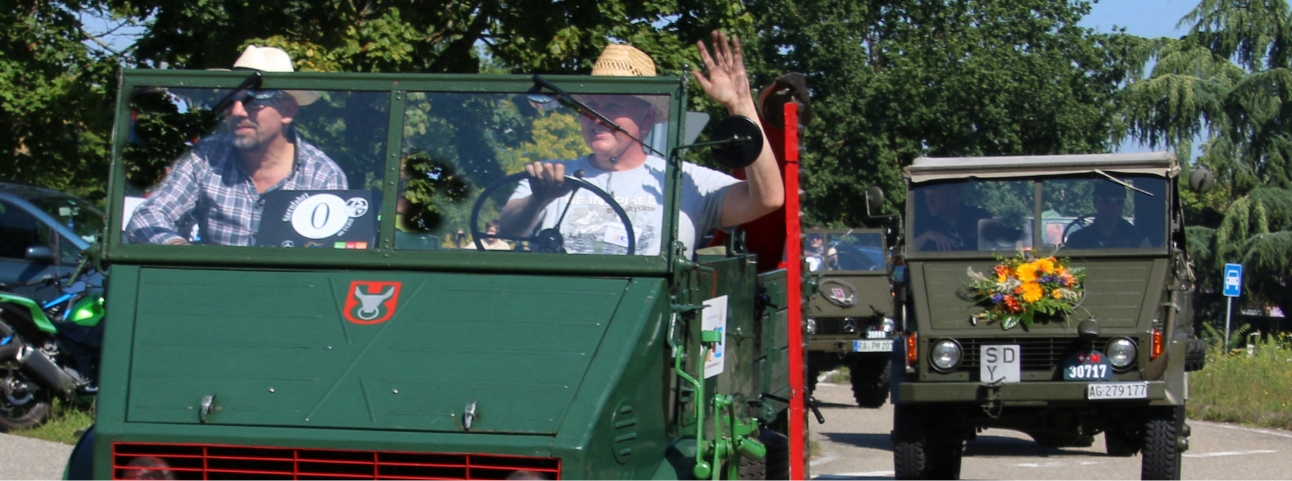
Right: The procession from the Unimog plant in Wörth to the Unimog Museum to celebrate “75 Years of Unimog” was led by the Unimog Prototype 5. It is normally on display at the German Agricultural Museum in Stuttgart-Hohenheim. Behind it is a Boehringer Unimog.
After several years of dedicated service at the Unimog Museum and on the board of our Unimog Club Gaggenau, René Dusseldorp handed over his position as first vice president to Klaus Lukas at the 2021 general meeting; Lukas had previously headed the Events and IT/Office 365 Coordination department.
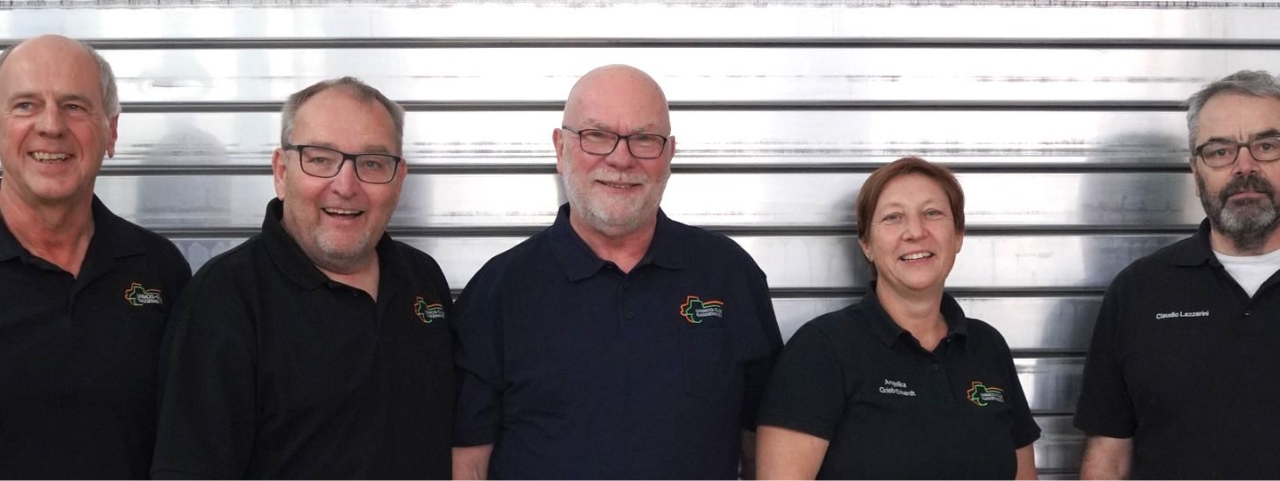
Links: The Board of Directors of the Unimog Club Gaggenau at the end of 2021 (from left): Secretary Jügen Rüger, First Vice President Klaus Lukas, President Rainer Hildebrandt, Second Vice President Angelika Grieb-Erhardt, Treasurer Claudio Lazzarini
“Our members really enjoy the hands-on workshops we offer on specific Unimog models, which we host in the Unimog Museum’s workshop in close collaboration with their experts.”
The Unimog Club played a particularly active role in the redesign of the Unimog Museum, and the excellent collaboration between the Unimog Club Gaggenau and the Unimog Museum Association is evident in several areas. For example, the club funded many information kiosks, which were populated with content thanks to the extensive expertise and exceptional dedication of club members. This represents a digital quantum leap in the information available to visitors.
Despite higher prices, admission remains free for members of the Unimog Club Gaggenau. Membership in the Unimog Club Gaggenau offers many other benefits. But more on that later.
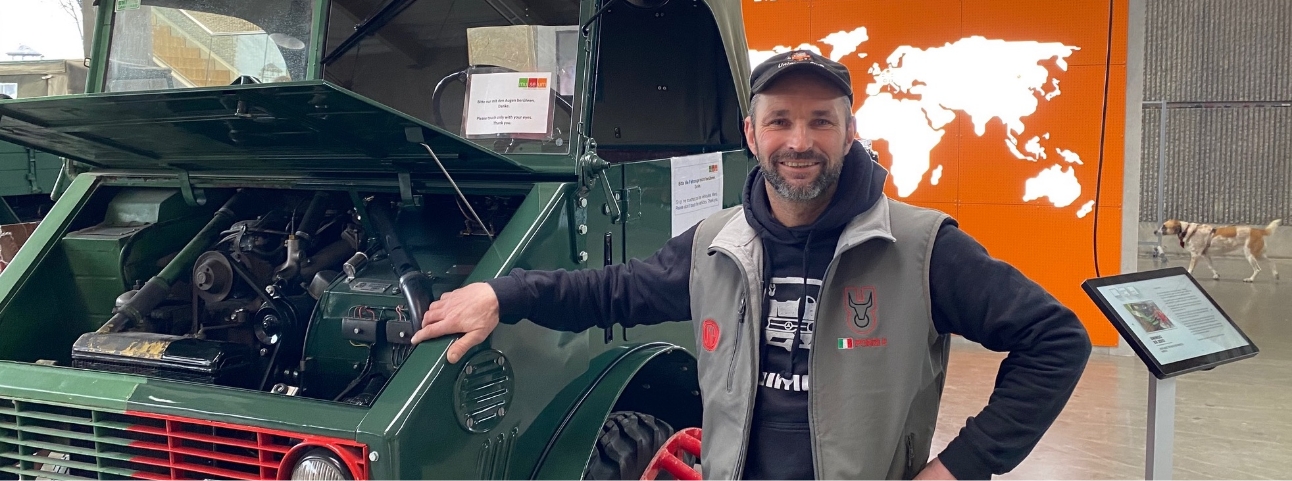
Right: Fabio Ponzi with his Unimog 2010, which was deliberately restored on only one side. Behind it is the UCG information wall, and to the right is an information kiosk. It provides all the important details about the Unimog 2010 and this specific vehicle.
The activities of the Unimog Club Gaggenau help preserve special cultural assets through the historic Unimogs and MB-tracs. An excellent example is the Unimog 2010, which Fabio Ponzi has only partially restored and which is now on display again at the new Unimog Museum.
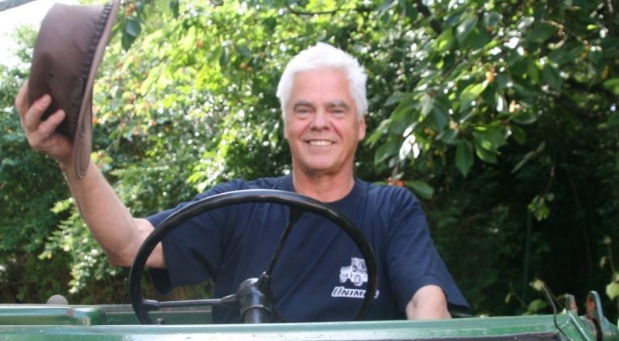
Michael Wessel
Honorary Chairman of the Unimog Club Gaggenau—February 2023
Photos: Daimler AG, Beatrice Ehrlich, Hans-Peter Hegmann, Carl-Heinz Vogler, Anita Weiler, Michael Wessel